Health and Safety Policy for Removal Companies Pimlico
 Health and safety is a core responsibility for every removal company in Pimlico, because safe working practices protect staff, customers, property, and the public. This policy sets out the standards expected during planning, packing, lifting, loading, transport, and unloading. It applies to all moving activities, whether the job involves a single room, a full household, or a business relocation. Our approach is based on prevention, careful supervision, and consistent risk management, with safe removals always taking priority over speed.
All employees, contractors, and supervisors must understand that accidents are not an unavoidable part of the job. They can usually be prevented through proper preparation, good communication, and the correct use of equipment. Every removal service must begin with an assessment of the work area, the volume and weight of items, access conditions, and any likely hazards. Where risks cannot be eliminated entirely, they must be reduced as far as reasonably possible.
We expect all personnel working for removal companies to follow this policy at all times. Failure to comply may result in removal from the job, additional training, or further disciplinary action. This applies to manual handling, vehicle safety, use of lifting aids, and conduct on site. A safe workplace depends on shared responsibility, clear instructions, and professional judgement.
Key Health and Safety Principles
Health and safety procedures are designed to reduce common risks associated with moving and handling goods. The main hazards include strained muscles, trips and falls, damaged property, sharp objects, unstable loads, poor lighting, and traffic-related incidents. A reliable moving company must recognise these risks early and take sensible steps to control them. Workers should never guess when unsure; they must ask for clarification before proceeding.
Before any move, the team should consider the safest method for lifting and transporting each item. Heavy or awkward objects may require dollies, straps, blankets, sliders, or mechanical assistance. Team lifts should be used where necessary, and no employee should attempt to move something beyond their ability. Good posture, controlled movements, and regular breaks are essential parts of a safe house removal operation.
 Personal protective equipment must be worn when appropriate. This can include gloves, safety footwear, high-visibility clothing, and, where needed, dust protection. Equipment must be in good condition and suitable for the task. Supervisors are responsible for checking that tools and moving aids are usable before work begins, and that any defective item is taken out of service immediately.
Risk Assessment and Worksite Controls
Each assignment should be assessed for hazards before work starts. This includes checking stairs, tight corridors, low ceilings, slippery surfaces, uneven ground, and parking or loading arrangements. A professional removal company must also consider weather conditions, especially where rain, ice, or strong winds may affect safety. If conditions become unsafe, work should pause until the risk is reduced.
Inside properties, pathways should be kept clear to prevent accidents. Boxes, packaging, and tools should not block exits or create trip hazards. Care should be taken around fragile surfaces, glass, mirrors, electronics, and furniture with sharp edges. When a removal team is moving through shared spaces, they should remain alert to residents, visitors, and other workers.
 Communication is essential throughout the operation. Team members should use agreed signals and speak clearly when lifting, turning, or reversing with equipment. One person should lead each movement where coordination is needed. If a load becomes unstable or a route is blocked, the team should stop and reassess rather than continue under pressure.
Vehicle, Loading, and Transport Safety
Safe loading begins with a stable vehicle and a sensible loading plan. Items should be arranged to prevent shifting during transit, with heavier goods positioned securely and lighter items protected from crushing. A removal service provider must ensure that vehicles are not overloaded and that doors, ramps, and securing points are used correctly.
Drivers must hold the correct licence, follow road rules, and perform routine vehicle checks before departure. These checks should include tyres, lights, mirrors, fuel levels, load security, and general roadworthiness. Any defect that could affect safety must be reported and resolved before the vehicle is used again. Safe driving is a fundamental part of removals safety, not an afterthought.
During transport, the load must remain secured and protected from movement. Sudden braking, sharp turns, and poor packing can cause damage or create dangerous instability. Vehicles should be parked as close as safely possible to the property entrance to reduce carrying distances, but never in a way that creates a hazard for pedestrians, other road users, or the crew.
Manual Handling, Training, and Incident Response
Manual handling is one of the main causes of injury in the removals industry. To reduce risk, staff must be trained in safe lifting methods, use of equipment, and recognising when a task needs extra support. A removal company in Pimlico should provide ongoing training so that workers can adapt to different property layouts, item weights, and customer requirements.
Training should cover hazard awareness, correct lifting posture, team communication, emergency procedures, and the handling of fragile or high-value items. New employees should be supervised until they demonstrate safe competence. Refresher sessions should be provided regularly to reinforce best practice and keep standards consistent across all removals operations.
 If an incident or near miss occurs, work should stop if necessary and the situation should be made safe. All accidents, injuries, damage, and unsafe conditions must be reported promptly to a supervisor. Where appropriate, first aid should be given by a trained person and emergency services contacted. Incidents should then be reviewed so that lessons can be learned and future risk reduced.
Responsibilities and Continuous Improvement
Management is responsible for maintaining this policy, providing appropriate equipment, and ensuring that workers receive the training and supervision they need. Employees are responsible for following instructions, using equipment properly, and raising concerns when they notice a hazard. Good safety practice depends on everyone doing their part with care and attention.
The policy should be reviewed regularly to make sure it remains effective and up to date. Changes in equipment, staffing, transport requirements, or working methods may require updates. A proactive house moving business will treat safety as a continuous process rather than a one-time checklist. Improvements should be based on incident reports, site observations, and operational experience.
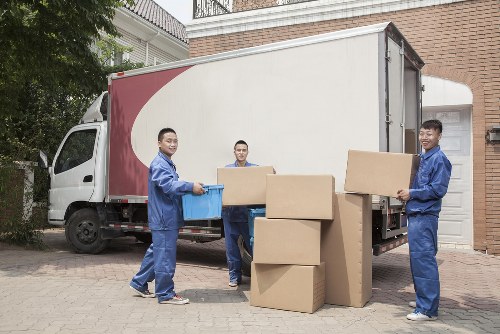 By maintaining clear standards, careful planning, and disciplined working methods, removal companies can protect people and property while delivering a dependable service. Health and safety is not only a legal duty; it is also a sign of professionalism, reliability, and respect for everyone involved in the move.