Waste Disposal Laws in Pimlico: What Movers Must Follow
Posted on 22/06/2026
If you are moving in or out of Pimlico, waste disposal is not something to leave until the last minute. Boxes pile up, old furniture suddenly looks heavier than it did in the flat, and there is always that one awkward item nobody wants to claim. The rules around Waste Disposal Laws in Pimlico: What Movers Must Follow matter because the wrong kind of disposal can lead to fines, delays, or a very avoidable headache on moving day.
This guide walks through what movers, tenants, landlords, and removals teams need to understand in plain English. You will learn how the rules generally work, where the risks are, what a compliant moving process looks like, and how to keep a clean, organised handover without making a mess of the pavement outside. Truth be told, a smooth move often comes down to the boring stuff done properly.
Why Waste Disposal Laws in Pimlico: What Movers Must Follow Matters
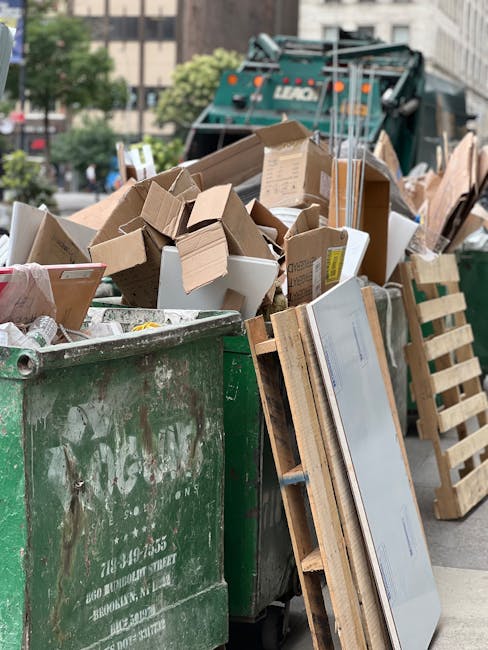
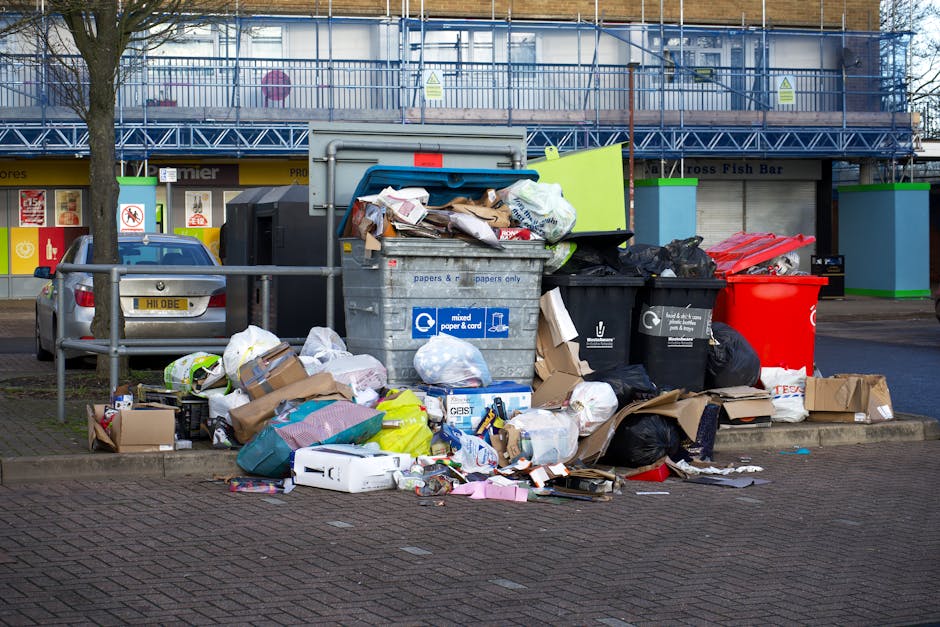
Pimlico is a dense, lived-in part of central London, which means moving day is rarely just a private affair. Narrow streets, shared entrances, managed buildings, basement flats, and tight kerbside space all make waste handling more visible. If rubbish is left in the wrong place, it can quickly become a nuisance for neighbours, pedestrians, and building staff. And once waste is on the street, it is no longer just "leftover stuff" - it is a compliance issue.
For movers, the core issue is simple: waste must be handled lawfully and responsibly. That usually means ensuring items are sorted correctly, removing waste through authorised channels, and not leaving anything behind where it could attract complaints or be treated as fly-tipping. In practice, the line between a tidy move and a problematic one can be very thin.
There is also a reputational angle. If you are a mover, the way you deal with waste says a lot about how you run jobs. Clients remember whether the stairwell was left clean, whether packaging was cleared, and whether awkward items were handled without fuss. In a place like Pimlico, where people notice what is happening outside their front door, that matters more than some companies like to admit.
Practical takeaway: the safest approach is to plan waste removal before the moving van arrives, not after the final box is lifted. Waiting until the end is how small problems become expensive ones.
How Waste Disposal Laws in Pimlico: What Movers Must Follow Works
There is no single "moving day waste rule" that covers every situation. Instead, movers have to work within the wider framework that applies to household waste, commercial waste, street cleanliness, and safe transport of discarded items. That includes knowing what can be left for collection, what needs a licensed disposal route, and what must never be dumped on public land.
In a typical move, waste may fall into several categories:
- Packaging waste such as cardboard, paper wrap, plastic film, tape, and polystyrene.
- Household items such as old chairs, broken shelving, and unwanted small appliances.
- Special items such as electricals, paint, batteries, or mattresses that may need separate handling.
- Commercial waste if the move is for an office, studio, or business premises.
The important thing is that not all waste can be treated the same way. A cardboard box can usually be managed very differently from a fridge, a fluorescent tube, or a bag of mixed debris. If movers assume everything is "just rubbish," that is where trouble starts.
To be fair, most of the time the process is straightforward once it is planned. You identify what is leaving, sort it into sensible streams, choose the right removal method, and ensure anything collected is taken by an authorised operator. If a building has its own waste arrangements, those rules also need to be respected. Some blocks are relaxed about packaging; others are not. You will notice the difference quickly.
For readers comparing moving support, it can help to look at wider service details too. For example, a removals provider may explain related local moving services on pages such as their main service site, which can be useful when you are trying to understand whether waste handling is included or needs to be arranged separately. The key is still the same: never assume waste disappears by itself. It rarely does.
Key Benefits and Practical Advantages
Following waste disposal rules properly is not just about avoiding penalties. It also makes the move calmer, cleaner, and more efficient. That sounds obvious, but anyone who has ever carried a wardrobe down a narrow Pimlico staircase will know that small details can make a big difference.
Here are the main benefits movers and households usually notice:
- Cleaner access routes for staff, neighbours, and delivery teams.
- Lower risk of complaints from residents, building managers, or local authorities.
- Better time management because waste is separated and removed in a planned way.
- Reduced damage risk since clutter is not left around doors, lifts, or hallways.
- Stronger professional image if you are a mover handling client property.
- Less last-minute stress when disposal options are sorted before the move starts.
There is also an environmental benefit, though it is often overlooked in a rush. Sorting recyclable packaging from general waste keeps the move more responsible and can reduce the amount sent to landfill. In a compact area like Pimlico, where bins, loading bays, and pavement space are already at a premium, that responsible approach is not just nice to have. It is practical.
And for businesses, there is a commercial upside too. Clear waste procedures make it easier to quote accurately, manage labour time, and avoid surprise disposal costs. Nobody enjoys arguing over a van full of wet cardboard at the end of the day. Nobody.
Who This Is For and When It Makes Sense
This topic matters to more people than you might think. The obvious audience is professional movers, but the real-world circle is wider.
- Removal companies planning how to clear packaging, broken items, or unwanted furniture.
- Tenants leaving a flat and needing to clear waste before checkout.
- Landlords and letting agents who want a smooth handover and a clean property.
- Homeowners dealing with decluttering before completion or renovation.
- Office managers organising a business move where old equipment and packaging build up fast.
- Building managers and concierge teams who need to protect common areas and bin storage space.
It makes sense anytime a move involves more than just transporting furniture. If you have bulky items, surplus packaging, furniture to be disposed of, or a property with strict waste rules, you need a plan. If you are moving out of a rental, the same applies even more strongly because final inspections can be surprisingly picky about what is left behind. Fair enough, really.
One common mistake is assuming the new address or the moving date automatically solves disposal issues. It does not. If waste is not removed before the handover, it can become the responsibility of the wrong party, or at least trigger awkward conversations. That is especially true where multiple people are involved: tenant, landlord, estate agent, and removals crew. A classic London moving-day muddle.
Step-by-Step Guidance
If you want to stay compliant and keep the move efficient, use a simple process. Nothing fancy. Just consistent and sensible.
- Identify the waste early. Walk through the property and make a list of what is being kept, donated, recycled, collected, or thrown away.
- Separate waste streams. Put cardboard, soft plastics, general rubbish, electricals, and bulky items into separate piles where possible.
- Check building rules. Ask whether the block has designated collection points, restricted hours, or limits on what can be placed in communal bins.
- Decide who is responsible. The mover, tenant, landlord, or client should be clear on who arranges disposal. Ambiguity is where mistakes are born.
- Use proper disposal routes. Arrange collection, recycling, or transfer through lawful and suitable channels rather than leaving items on the pavement.
- Document what leaves. For commercial moves especially, keep a note of what was removed and when. It helps if questions come up later.
- Do a final sweep. Check cupboards, loft spaces, behind radiators, and under beds. The tiny forgotten items are the ones that create the messiest surprises.
If you are managing a client move, this final sweep is worth slowing down for. I know - everybody wants to get on with the next job. But a two-minute pause can save twenty minutes of embarrassment later.
For larger or recurring moves, it may also help to line up a provider with broader coverage in the area. If you need a local removals team familiar with the area's practical constraints, pages like removals support in Pimlico may help you compare what is offered and how a team handles the messy middle of a move, not just the lifting.
Expert Tips for Better Results
After enough moving days, you notice the same patterns. The jobs that run smoothly are rarely the ones with the newest gear. They are the ones with the clearest process.
Here are a few field-tested habits that make waste handling easier:
- Bring extra sacks and tape. Waste often grows during a move. You need spare supplies when the first round fills up.
- Keep a "do not dump" pile. Put important documents, valuables, and sentimental bits somewhere separate so they do not get swept up with rubbish.
- Label electricals early. Chargers, monitors, lamps, and similar items can be easy to confuse with general waste.
- Protect common areas. Use blankets, cardboard runners, or careful lifting so waste bags and broken packaging do not damage stairwells.
- Ask about restricted items before the job starts. Batteries, chemicals, and some electrical items may need special handling.
- Choose collection times wisely. Early mornings or quieter periods can reduce disruption in tightly managed streets.
A small but useful habit: photograph the cleared area once the waste is removed. It is not about being dramatic, just practical. If there is ever a dispute about what was left behind, having a clear visual record can help. And yes, sometimes the camera roll becomes a strange archive of cardboard and tape. Such is life.
If you are working in a building with a strict concierge or management office, introduce yourself early and explain the waste plan. A friendly ten-second conversation can save a whole afternoon of friction. That is not legal advice, just hard-won common sense.
Common Mistakes to Avoid
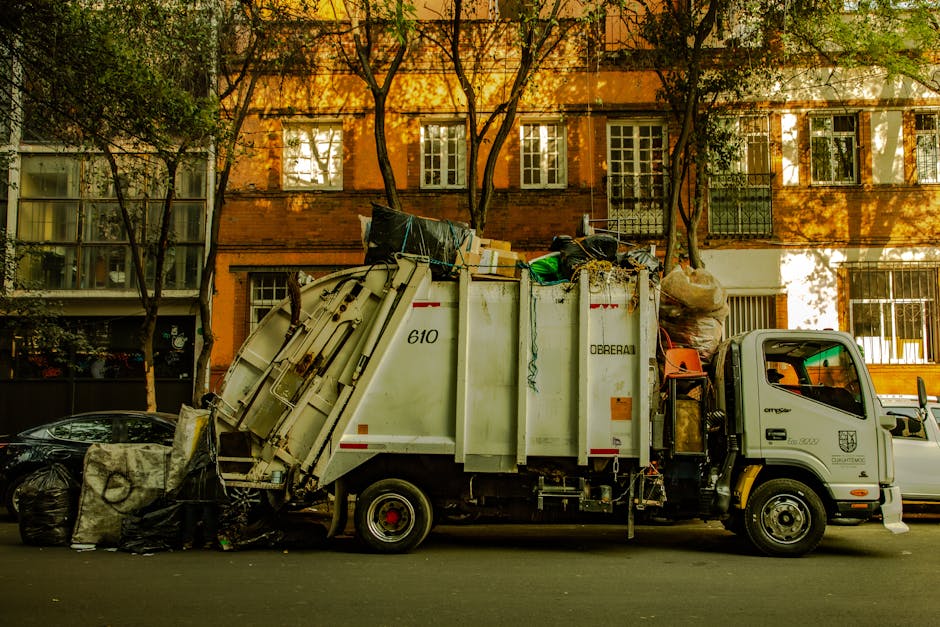
Most waste-related problems in moves come from a handful of avoidable mistakes. They are not complicated, just easy to make when everyone is tired and the kettle has run dry.
- Leaving rubbish on the street. Even if it looks temporary, it can be treated as fly-tipping or an obstruction.
- Overfilling communal bins. This causes complaints fast, especially in shared blocks.
- Mixing hazardous items with general waste. Paint, chemicals, batteries, and certain electricals can require separate treatment.
- Assuming the landlord will deal with everything. That assumption often goes nowhere good.
- Not checking what the building allows. Some developments are stricter than people expect.
- Forgetting bulky items. Mattresses, wardrobes, and old desks always take more planning than people think.
- Using an unverified disposal route. If you cannot be confident where the waste is going, that is a red flag.
Another mistake is rushing packaging waste into the nearest bin room because "it's only cardboard." In busy London buildings, a few flattened boxes can quickly become a bin bay problem, especially if other residents are trying to use the same space. The smell of damp cardboard in a warm bin store is, let's be honest, not pleasant for anybody.
Tools, Resources and Recommendations
You do not need a huge toolkit, but a few practical items make a big difference. For movers and households, the aim is to reduce confusion and make sorting easy.
| Tool or Resource | Why It Helps | Best Used For |
|---|---|---|
| Heavy-duty rubble sacks | Handles mixed packaging and light waste without splitting | Box tape, plastic wrap, general move waste |
| Marker pens and labels | Makes it easy to separate keep/recycle/dispose piles | Sorted rooms, storage, and disposal staging |
| Protective gloves | Useful for sharp cardboard edges and dusty loft items | Final clear-outs and packing debris |
| Furniture blankets | Protects hallways and helps keep bulky waste manageable | Shared buildings and stairwells |
| Inventory checklist | Prevents accidental disposal of items that should be kept | Home moves and office moves alike |
For local movers, a good recommendation is to treat waste handling as a defined part of the job, not an afterthought. Clients appreciate it when a company can explain what happens to leftover materials and how they will be handled. That confidence builds trust quickly.
Where a move involves a large clear-out, it may be worth discussing whether disposal, recycling, and removal should be split into separate tasks. That can improve control, especially if some items are reusable and others are not. A little structure goes a long way.
Law, Compliance, Standards, or Best Practice
Legal requirements can vary depending on the exact waste type, who owns it, how it is stored, and whether the move is domestic or commercial. So it is wise to be careful here. Rather than treating this as one narrow rulebook, think of it as a set of duties: do not abandon waste, do not put others at risk, and do not use disposal routes you cannot stand behind.
In general, movers should be aware of the following practical compliance principles:
- Household waste should be placed in the proper collection system or taken to a lawful disposal route.
- Commercial waste often needs a more structured arrangement and clearer records.
- Bulky waste should not be dumped in communal areas or left on the public highway.
- Hazardous or specialist items need extra care and may not belong in standard mixed waste.
- Shared buildings may have their own rules for bin use, loading access, and waste storage.
Best practice in Pimlico also means respecting local conditions. You may be dealing with controlled parking, timed loading access, busy residential entrances, and narrow pavements. Compliance is not just about legal theory; it is about behaving in a way that fits the place you are working in.
If you are a removals operator, it is smart to keep a simple internal process for waste responsibility. Who sorts it? Who removes it? Who signs it off? These questions sound dry, but they protect you later. A few written steps can prevent a lot of "we thought the other team had it" confusion.
Options, Methods, or Comparison Table
There is more than one way to manage waste during a move. The right choice depends on the amount of waste, the type of items, and how much time you have.
| Method | Best For | Pros | Watch Outs |
|---|---|---|---|
| Self-sorting and local disposal | Small domestic moves with light packaging waste | Low-cost, flexible, simple | Takes time; requires proper planning and lifting |
| Included removals waste handling | Clients who want one team to manage the whole move | Convenient, streamlined, fewer handoffs | Must be clear what is included and what is not |
| Dedicated clear-out service | Large declutters, probate, tenancy end-of-move clearances | Efficient for bulky or mixed waste | May cost more, depends on access and item volume |
| Phased disposal over several days | Complex moves, office relocations, multi-room properties | Good control, less chaos on moving day | Needs coordination and repeated scheduling |
In many Pimlico moves, a blended approach works best. For example, a household might recycle packaging locally, remove broken furniture separately, and leave only minimal residual waste for final collection. That keeps the property tidy without turning the move into a logistical circus.
Case Study or Real-World Example
Imagine a two-bedroom flat move from a Pimlico mansion block on a rainy Thursday morning. The flat has a lift, but it is shared, and the building manager has asked that no waste be left in the lobby. The tenants have three large cardboard stacks, one broken wardrobe, some old kitchen equipment, and a bag of mixed bits from the airing cupboard.
The smooth approach looks like this: the movers separate cardboard for flattening, set aside the electrical items for appropriate handling, keep the wardrobe pieces together for bulk removal, and label one sack for general waste. Before anything is taken downstairs, the team confirms where each item will go and clears the route with the building manager. By the end of the move, the flat is empty, the communal areas are clean, and nobody is left guessing what happened to the mess.
What would have gone wrong otherwise? Probably one of three things: waste left near the entrance because "we'll sort it later," cardboard shoved into an overfull bin room, or the broken furniture being abandoned because it was too awkward to carry down. That last one is the classic. The item gets heavier the later it gets in the day. Strange but true.
This kind of example is exactly why waste disposal should be part of the moving plan, not an afterthought. The difference between orderly and messy is often a couple of good decisions made early.
Practical Checklist
Use this checklist before and during the move. It keeps things simple, which is usually what you want when boxes are everywhere and someone is asking where the kettle went.
- Have you identified all items that need disposal, recycling, or special handling?
- Have you separated packaging, general waste, furniture, and electrical items?
- Do you know the building's bin and loading rules?
- Has someone been assigned responsibility for waste removal?
- Are you using a lawful disposal route for all unwanted items?
- Have you avoided leaving anything on the street, in the lobby, or by the kerb without permission?
- Have you protected shared areas while moving waste through the building?
- Have you checked for batteries, paint, chemicals, or other special items?
- Have you done a final sweep of cupboards, shelves, and hidden corners?
- Have you confirmed the property is left clean and ready for handover?
Quick expert summary: if it would look untidy, block access, or risk being treated as abandoned waste, do not leave it there. Sort it, move it, or arrange proper collection before you call the job done.
Get a free quote today and see how much you can save.
Conclusion
Waste disposal during a move is one of those things that only looks minor until it causes a problem. In Pimlico, where space is tight and building rules can be particular, movers need to be especially careful about what gets left behind, where it goes, and who is responsible for it. Get that part right, and the whole move feels lighter somehow.
The safest approach is straightforward: plan early, sort clearly, use proper disposal channels, and respect the building and the street around you. That is the heart of good moving practice, really. Not glamorous. Just sound.
If you are preparing for a move now, take a moment to think through the waste before the first box is lifted. A calm, compliant clear-out gives you more breathing room on the day, and honestly, that is a small victory worth having.