Staircase & Lift Access Issues for Pimlico Moves
Posted on 02/06/2026
Staircase & Lift Access Issues for Pimlico Moves: A Practical Guide for Apartments, Flats and Tight London Buildings
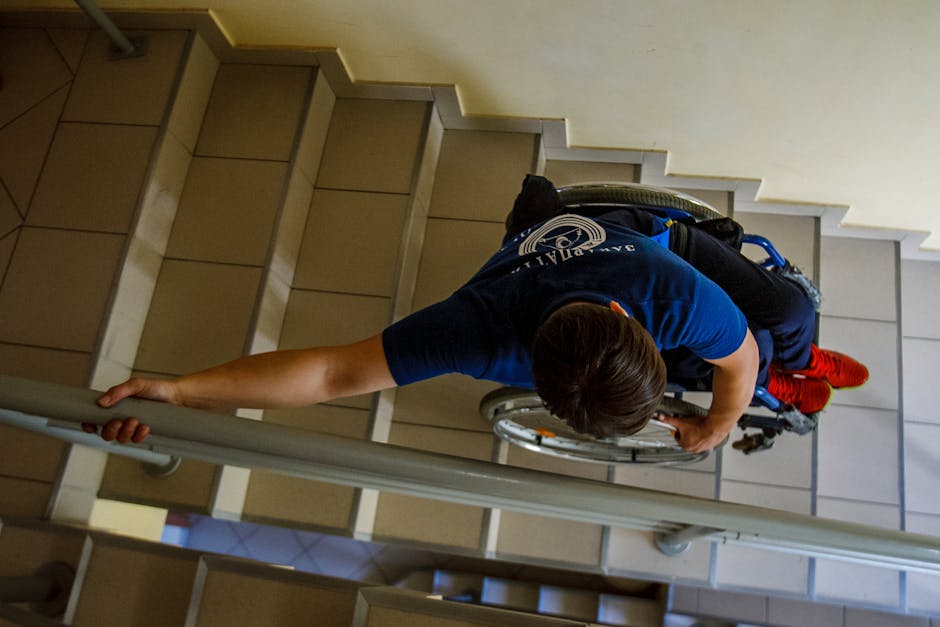
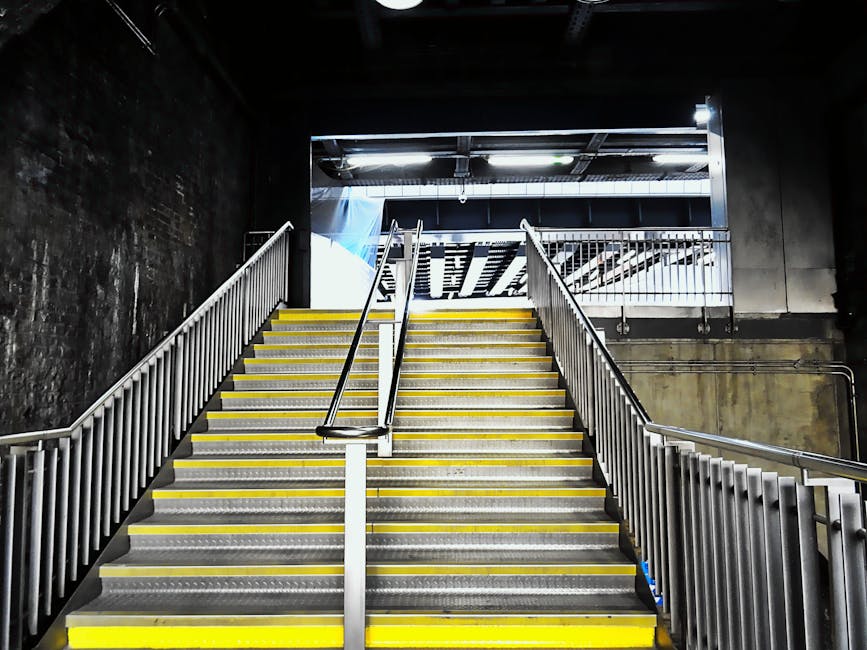
If you are moving in Pimlico, the building itself can be the biggest part of the job. Narrow staircases, awkward turns, small landings, slow lifts, no lift at all - it all adds up fast. Staircase & Lift Access Issues for Pimlico Moves are one of those things people underestimate until the sofa is halfway up the stairs and everyone has gone a bit quiet. Truth be told, that moment is rarely fun.
This guide breaks the problem down in plain English. You will learn how access is assessed, why it matters for cost and timing, how to plan around it, and what to do when the lift is too small, the staircase is too tight, or the route through the building is just plain awkward. It is written for real moving days, not theory. If you are moving into a flat, relocating furniture, or booking flat removals in Pimlico, this is the sort of detail that can save you stress, time and a few bruised shins.
Why Staircase & Lift Access Issues for Pimlico Moves Matters
Pimlico has a lot going for it: handsome terraces, mansion blocks, converted period properties and those classic London layouts that look lovely on a viewing but can be a bit of a headache on moving day. That is exactly why access matters. A move is not just about getting items from A to B; it is about getting them through the building without damage, delay, or a very awkward conversation with a neighbour in the hallway.
Staircase and lift access affects almost every part of the move. It changes how many people are needed, what size van makes sense, how long loading will take, and whether larger items can be moved in one piece. A narrow stairwell can turn a simple chest of drawers into a two-person carry, and a lift with a tight door opening can rule out certain wardrobes altogether. Not ideal, but very common.
There is also a wider practical point. Better access planning usually means fewer surprises on the day. That matters for families, students, landlords, office moves and anyone trying to juggle keys, cleaners, handovers and the usual London time pressure. If you have ever tried to move while a doorman, a neighbour and a contractor all want to know how long you will be blocking the entrance, you will know why clear planning helps.
For people moving within the area, local knowledge counts too. Articles like Pimlico living advice from a local perspective and the Pimlico home buying guide are useful companions because they give a sense of the building types and housing patterns you are likely to meet here. And if you are comparing providers, a trusted removal company in Pimlico should be asking about access before the quote is even finalised.
How Staircase & Lift Access Issues for Pimlico Moves Works
In practical terms, access planning starts with a simple question: how will the furniture, boxes and appliances actually reach the front door, lift lobby, stairwell or street? The answer is rarely just "carry it". There are usually several moving parts.
First, the property is assessed. That means looking at stair width, ceiling height, turns, bannisters, lift dimensions, corridor space, floor level, and any loading restrictions at the front of the building. A move from a second-floor flat with no lift is very different from a ground-floor flat with a service lift and a wide entrance. Obvious enough, but worth saying because people still forget it.
Second, the removals team works out what needs protecting. Handrails, walls, floors, lift interiors and door frames are often covered or padded. This is especially important in older properties, where paintwork can mark easily and tight corners leave little room for error. One scrape can become a long landlord email. Nobody wants that.
Third, the team decides how to move each item. Some pieces can be angled, dismantled or carried upright. Others need specialist handling. For example, a sofa may fit in a lift only if turned diagonally; a wardrobe might need to come apart; a piano is a different beast entirely and may require dedicated planning, which is why piano removals in Pimlico are a separate service for good reason.
Finally, the timing is coordinated. Lift access can be shared with other residents, and some buildings have booking windows or rules around moving hours. If the lift is likely to be busy, or if the stairs are the only route, the whole schedule needs a bit more breathing room. In other words, a 10-minute load can become a 40-minute one very quickly if the route is tight.
Key Benefits and Practical Advantages
Good access planning does more than prevent chaos. It creates a smoother move from the start.
- Less damage risk: You reduce the chance of scuffed walls, broken handles, chipped furniture and scratched lift panels.
- More accurate quotes: The team can estimate labour, time and vehicle needs properly instead of guessing.
- Faster moving day: Knowing the route in advance avoids backtracking, waiting, and repeated heavy lifts.
- Better handling of bulky items: Sofas, beds, wardrobes and white goods are easier to plan when access is measured in advance.
- Less strain on you: Let's face it, the last thing you need is to become part of the lifting team by accident.
There is also a quieter benefit: peace of mind. When the movers know in advance that the lift is small or the staircase is awkward, they can bring the right kit and the right number of people. That means fewer delays, less stress, and less of that panicky feeling when a large item hits a bend and suddenly everyone is doing geometry.
If you are moving furniture only, a service like furniture removals in Pimlico can be especially helpful because access challenges are often the main issue, not the item count. And if you are packing yourself, well-packed boxes and clearly labelled rooms make stairs and lifts easier to manage because the team can prioritise the heaviest or most fragile items properly.
Who This Is For and When It Makes Sense
This topic is relevant to far more people than you might think. If your move involves a flat, apartment block, shared hallway, or older building, access needs to be on your checklist from day one.
It is especially useful for:
- people moving into or out of upper-floor flats
- landlords arranging tenant changes between occupiers
- students moving with limited storage and lots of boxes
- families moving large furniture in a period property
- office teams dealing with lifts, reception points and shared entrances
- anyone booking same-day help where there is no time to improvise
Students in particular often find access more complicated than expected. Not because the move is huge, but because the building is busy, the items are awkward, and everyone is trying to finish in a narrow time window. If that sounds familiar, student removals in Pimlico can help keep things simple.
Office moves have their own twist. Lifts may be shared with the public, and stair routes may have to work around concierge desks, security doors or equipment deliveries. In those cases, office removals in Pimlico are best handled with a proper access plan rather than a rough guess and a hopeful smile.
And if your move is urgent, perhaps because keys changed hands late or plans shifted, a same-day service may still work. The important thing is to be honest about the building layout from the start. That is exactly the sort of thing covered in same-day removals in Pimlico and the related local guide on what to expect from emergency removals.
Step-by-Step Guidance
Here is a practical way to handle staircase and lift access without overcomplicating it.
- Measure the route. Check stair width, landing size, lift door width and internal lift depth if you can. Take photos too. They are surprisingly useful.
- List the bulky items. Note anything long, wide, fragile or heavy: mattresses, sofas, wardrobes, desks, mirrors, appliances and pianos.
- Ask the building questions early. Is the lift booked? Is there a service lift? Are there time restrictions? Is the staircase shared?
- Tell the removals team the awkward bits. Mention low ceilings, tight turns, weak flooring, no-parking frontage or narrow front steps.
- Plan the loading order. Heavier, larger items should usually be moved first while energy and space are both at their best.
- Protect the route. Use floor covers, corner protection and padded wraps where needed.
- Keep the entrance clear. Stair routes work best when you are not also dodging shoes, scooters, prams and half-open storage cupboards.
- Have a fallback plan. If a lift fails or a sofa will not turn the corner, decide in advance whether to dismantle, reschedule or store the item temporarily.
That last point matters more than people expect. A good moving day is not one where everything goes perfectly. It is one where the team already knows what to do when something imperfect happens. Because something usually does.
If you need a vehicle and crew that can adapt to building access challenges, the simpler options like man and van in Pimlico or man with a van in Pimlico can suit smaller moves, while larger home moves may need a full house removals service. Different jobs, different rhythm.
Expert Tips for Better Results
After enough moves, certain patterns become obvious. Here are the ones that really help.
1. Dismantle before moving day, not during it.
If a wardrobe, bed frame or dining table can be broken down ahead of time, do it. Moving day is not the moment to search for the one hex key that vanished into the same mysterious place as your spare charger.
2. Photograph the staircase and lift.
A few clear photos from different angles help the team judge turning space, headroom and where protection is needed.
3. Be honest about item condition.
Old furniture can be more fragile than it looks. A wobbly leg or a cracked drawer runner can fail quickly on stairs.
4. Think about neighbours.
In shared buildings, noise and access timing matter. Early communication helps avoid complaints and awkward hallway encounters.
5. Leave a little time buffer.
Tight access rarely runs to the minute. A bit of slack in the plan is not lazy; it is smart.
One practical local observation: Pimlico properties can look deceptively straightforward from the street. Then you get inside and find a narrow turn, a long staircase, and a lift that seems to have been designed for parcels, not mattresses. It happens all the time.
If you are unsure how your items will fit, it may be worth checking a specialist page like services overview so you can match the moving method to the property, rather than forcing the property to match the move. That sounds obvious, but people forget.
Common Mistakes to Avoid
Access issues tend to go wrong in familiar ways. Avoid these and you are already ahead of the game.
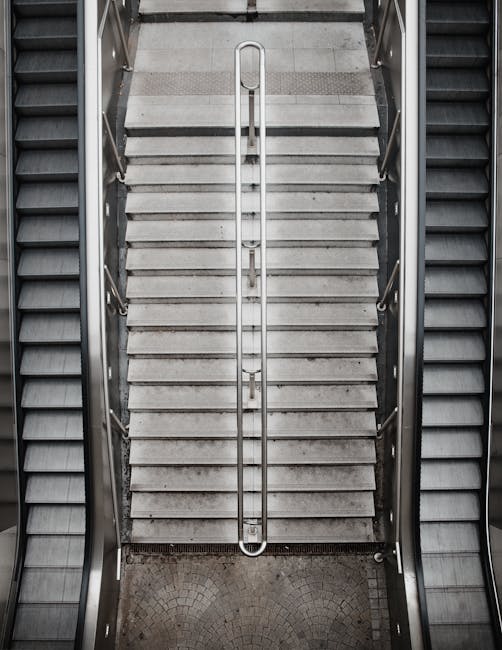
- Assuming a lift equals easy access. Some lifts are too small, too slow, or not suitable for bulky items.
- Forgetting the turning space on landings. A staircase can be wide enough at the base but impossible around the bend.
- Not mentioning top-floor flats. "Only two floors up" sounds manageable until you are carrying a washing machine.
- Ignoring parking and loading distance. Even with a good staircase, a long walk from the van adds strain and time.
- Leaving packing until the last minute. Loose items slow everyone down, especially on stairs.
- Underestimating bulky furniture. Sofas, beds and wardrobes often need more planning than the rest of the move combined.
Another common mistake is booking a service that is too small for the job. That is not always about cost; it is about fit. A smaller vehicle or lighter crew might work beautifully for a couple of boxes and a desk, but less well for a full flat with multiple flights of stairs. If you are comparing options, removal services in Pimlico can give a broader picture, while removals in Pimlico covers the bigger-picture move.
And, just to be clear, guessing is not a strategy. It is a gamble with your back.
Tools, Resources and Recommendations
You do not need fancy equipment to manage access well, but a few practical tools make life easier.
- Measuring tape: for stair width, doors, lift openings and furniture dimensions.
- Phone camera: for photographing the route, lift interior and any awkward corners.
- Furniture blankets and wraps: useful for protecting items and softening contact with walls.
- Corner guards and floor protection: especially helpful in shared hallways and period properties.
- Boxes of consistent size: easier to stack, carry and turn on stairs.
- Label stickers or marker pens: small thing, big difference when the team is moving quickly.
There are also a few website pages worth keeping in mind when you are preparing the move. If you need a clearer sense of pricing, the pricing and quotes page is a sensible place to start. If your move includes cherished furniture, check packing and boxes in Pimlico for preparation support. For items that cannot go straight into the new place, storage in Pimlico can buy you time, which is sometimes the calmest solution available.
If you want a bit more background on the company and its approach, the about us page is useful too. It is often reassuring to know who is actually handling your move, especially when the building access is a bit of a puzzle.
Law, Compliance, Standards, or Best Practice
For moving jobs involving stairs and lifts, the main concern is usually not a single dramatic legal rule. It is a mix of duty of care, property rules and sensible practice. In the UK, movers and customers generally need to work in a way that reduces the risk of injury and property damage. That means safe lifting, sensible route planning and clear communication with building management where needed.
If the building has its own moving policy, lift booking system or access restrictions, those rules should be followed. Many apartment blocks in London will expect movers to protect communal areas, avoid peak times, and leave corridors clean and unobstructed. That is not red tape for the sake of it; in shared housing, these small rules prevent bigger problems.
Health and safety best practice also matters. Items should not be carried in a way that blocks vision or creates unsafe posture. Team members should use appropriate lifting techniques, and heavy or awkward objects should not be forced through a route that is clearly too tight. Sometimes the professional answer is simply: remove the item another way, or dismantle it first.
If you want reassurance on operational standards, health and safety policy, insurance and safety, and terms and conditions are the sort of pages that matter more than they first appear. A move with stair and lift access issues is exactly where those details become real.
There is also a practical responsibility around accessibility. If a building has no lift or difficult access, that may not be discriminatory on its own, but it does affect what support is reasonable for the move. A good removals team will acknowledge that reality plainly and plan around it, not brush past it.
Options, Methods, or Comparison Table
There is rarely one best way to handle difficult access. The right method depends on the property, the furniture and the level of urgency. Here is a simple comparison.
| Method | Best for | Pros | Limitations |
|---|---|---|---|
| Carry via staircase | Smaller items, moderate access, no lift | Direct, flexible, no waiting for lift availability | Hard work, more risk of damage if turns are tight |
| Use passenger or service lift | Flats and buildings with suitable lift access | Less physical strain, better for repeated trips | Can be slow, small, or restricted by building rules |
| Dismantle furniture first | Wardrobes, beds, desks, large tables | Makes access easier and safer | Takes planning and reassembly time later |
| Temporary storage | When access or timing is not ready yet | Reduces pressure on moving day | Extra step and extra coordination |
| Specialist item handling | Pianos, artwork, oversized or delicate furniture | Better protection for valuable items | May need dedicated equipment and extra time |
For many people, the best choice is a combination of methods rather than just one. A couple of items may go via lift, the bed frame gets dismantled, and the sofa is carried carefully up the stairs. That mixed approach is often the most realistic. Not glamorous, but effective.
Case Study or Real-World Example
Consider a typical Pimlico flat move: a second-floor property, no usable lift, one narrow staircase, and a sofa that looked fine online but became much less cooperative when it met the landing. The residents had packed the boxes well, which helped, but they had not measured the main wardrobe or checked whether the bed frame would come apart.
On arrival, the team saw straight away that the wardrobe would not take the first bend in one piece. Instead of forcing it, they dismantled it, protected the panels, and moved the parts separately. The sofa was then carried using a more controlled two-person angle. It took longer than hoped, but the job stayed safe, and the walls were left untouched.
The real win was not speed. It was the absence of drama.
Later, the client admitted they had assumed "flat move" meant "easy move." Very common assumption, that. In a place like Pimlico, the flat itself is often the main variable. The building tells you what the day will be like, not the listing photos.
That sort of move also shows why local guide content can help people prepare. Pages such as moving houses on Lupus Street, smooth moves from Warwick Way to St George's Square, and handling narrow streets on the way to Tate Britain reflect the same local reality: tight routes and careful planning matter.
Practical Checklist
Use this before moving day. It is simple, but it works.
- Measure stair width, lift door width and the biggest furniture items.
- Take photos of the access route, including landings and tight corners.
- Check whether the lift must be booked in advance.
- Confirm if there are time restrictions for moving in or out.
- Tell the removals team about fragile items and awkward furniture.
- Decide what should be dismantled before the move.
- Label boxes by room and weight where possible.
- Protect floors, bannisters and lift interiors if required.
- Arrange parking or loading access as early as you can.
- Keep a small toolkit handy for last-minute adjustments.
- Set aside an alternative plan for items that may not fit.
Expert summary: the best stair and lift access plan is the one that is specific, honest and flexible. Measure early, communicate clearly and leave a little breathing room. That alone solves a surprising amount.
Get a free quote today and see how much you can save.
Conclusion
Staircase and lift access can make or break a Pimlico move, but it does not need to make the whole process stressful. Once you understand the route, measure the awkward points and choose the right moving method, the job becomes much more manageable. You are not trying to eliminate every challenge. You are trying to remove the avoidable ones.
That approach is especially useful in Pimlico, where property layouts can vary so much from one building to the next. A move that looks simple on paper can become tricky very quickly if the lift is small, the landing is tight or the staircase is more decorative than practical. The good news is that these are all solvable problems when they are spotted early.
If you are planning a move soon, or you are already staring at a sofa that looks suspiciously wider than the hallway, take a calm breath and get the access details sorted first. It really does make the rest easier. And sometimes, that bit of planning is the difference between a messy day and a surprisingly smooth one. Which, to be fair, is the dream.