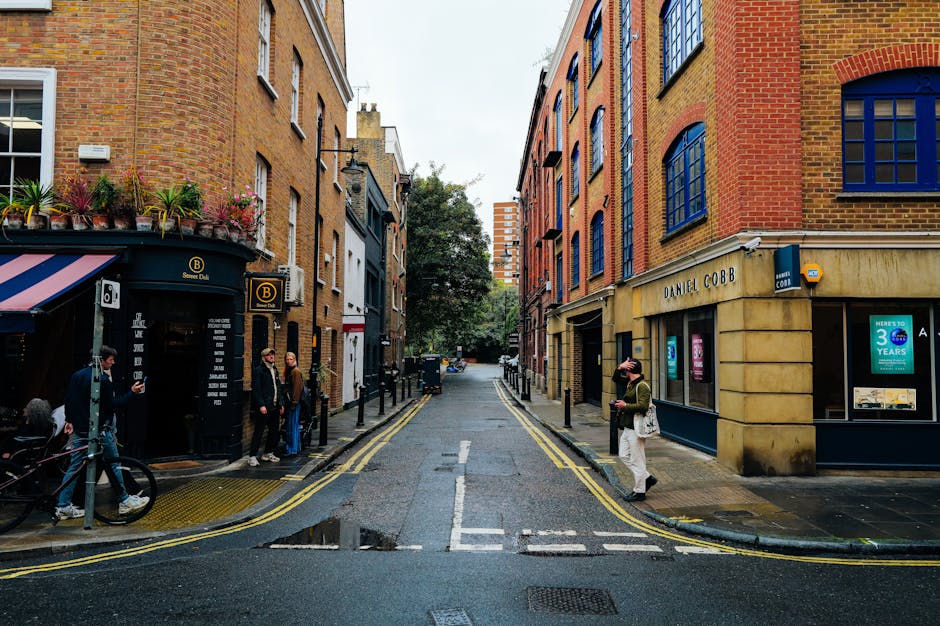
Pimlico to Tate Britain Moves: Handling Narrow Streets
Posted on 06/05/2026
Moving between Pimlico and Tate Britain can look simple on a map. In real life, though, the narrow streets, resident parking bays, one-way sections, and busy central-London traffic can turn a straightforward move into a bit of a puzzle. If you are planning a house move, flat move, or even a small furniture delivery in this part of London, the difference between a smooth day and a stressful one often comes down to preparation.
This guide breaks down Pimlico to Tate Britain Moves: Handling Narrow Streets in practical terms. You will learn how narrow access affects timing, vehicle choice, parking, packing, and safety, plus the common mistakes people make when trying to "just wing it." We will also cover the local realities that matter in Pimlico and along the approaches to Tate Britain, where space is tight and patience matters more than people expect. Truth be told, that extra 15 minutes of planning can save a lot of back-and-forth on the day.
If you are comparing options, you may also find it useful to look at the wider removal services overview, or the more specific house removals in Pimlico and flat removals in Pimlico pages for service-level details.
Why Pimlico to Tate Britain Moves: Handling Narrow Streets Matters
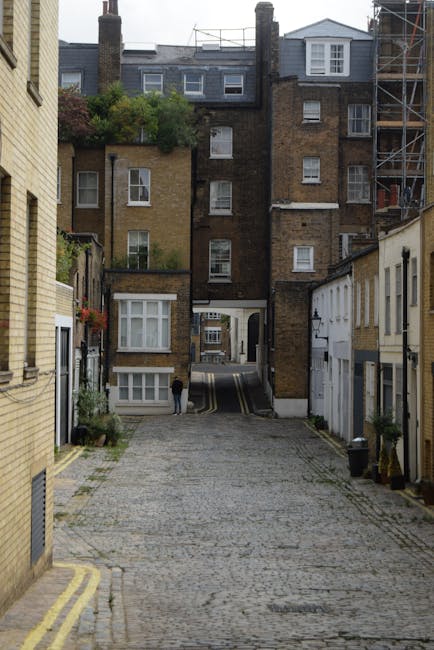
Narrow streets change everything. A move that would be routine on a wide suburban road can become a stop-start operation in central London, especially around Pimlico, Millbank, and the streets approaching Tate Britain. You may have limited kerb space, restricted turning angles, low tolerance from neighbours, and very little room for a van to pause without causing a problem.
That matters for three reasons. First, it affects access: if the vehicle cannot get close enough, your team has to carry items further, and that adds time and risk. Second, it affects parking: if you cannot load legally and safely, the job can stall while someone circles the block. Third, it affects handling: tight doorways, stairwells, and awkward corners increase the chance of knocks, scrapes, or fatigue.
In a local move like this, the street itself becomes part of the job plan. Not an afterthought. A sofa that fits in a room can still be a nightmare to get past a railings gap or down a narrow staircase. This is why experienced movers think about route planning before they think about lifting.
For many people, the move is tied to a flat in a period building, a split-level apartment, or a smaller office space. Those settings often go hand in hand with tighter access. If that sounds familiar, the practical advice in Pimlico living advice from locals and the local insights in our Lupus Street moving guide can help you anticipate the usual pinch points before moving day arrives.
How Pimlico to Tate Britain Moves: Handling Narrow Streets Works
A well-run narrow-street move starts with an access assessment. That means checking how close the vehicle can safely park, whether the road allows temporary loading, and whether there are any width restrictions, bus routes, or timed access issues that could affect the schedule. In practice, this often means a smaller vehicle, a shorter carry, and a more precise arrival window.
The move usually follows a simple logic:
- Pre-move survey - measure larger items, check entrances, note stairs, and assess where the van can pause.
- Vehicle selection - choose a van size that can actually work on the route, not just one that looks efficient on paper.
- Parking and access planning - identify loading points and how the team will avoid blocking the street.
- Packing and protection - secure fragile or awkward items before the vehicle even arrives.
- Load sequence - place the most needed items and the most fragile items in a sensible order.
- Arrival and unloading - move quickly, but not carelessly. Speed matters less than control in tight spaces.
What often surprises people is that a narrow-street move can be faster than expected if it is planned properly. You are not waiting for a giant truck to reverse three times, and you are not wasting energy carrying boxes across a long distance. The trick is matching the vehicle and the schedule to the street, not forcing the street to fit the move.
For item-specific jobs, such as bulky furniture or delicate pieces, the move may need specialist handling. That is where furniture removals in Pimlico and piano removals in Pimlico become especially relevant. A piano, for instance, is not just heavy; it is awkward, sensitive, and unforgiving of bad angles. A narrow road makes that even more noticeable.
Key Benefits and Practical Advantages
When narrow-street handling is done properly, the benefits are immediate and fairly obvious. Less waiting, less stress, fewer surprises. But there are a few quieter advantages too, the sort that only become obvious after you have done a move the hard way once.
- Shorter carrying distances when the access plan is realistic.
- Lower risk of damage to walls, banisters, doors, and furniture.
- Fewer parking problems because the vehicle and timing are matched to the area.
- Better time control for lifts, stairwells, and building access windows.
- Improved safety for movers, neighbours, and pedestrians.
- Less disruption to the street, which is especially important in busy central locations.
There is also a mental benefit, and it is not trivial. When people know the route has been thought through, they relax. Boxes are packed better, decisions are quicker, and nobody ends up standing in the hallway asking, "So... where does the van actually go?" That little moment of certainty helps more than you might think.
If you are comparing moving support, it can be useful to read the pricing and quotes guidance alongside the removals in Pimlico page. The cheapest-looking option is not always the best option when road access is tight, because delays and awkward access can quickly eat into any saving.
Who This Is For and When It Makes Sense
This kind of move is not only for people shifting an entire house. It is relevant for a wide range of situations in and around Pimlico and the Tate Britain area. If any of the following sounds familiar, narrow-street planning is probably worth your attention.
- Flat movers dealing with basement, first-floor, or top-floor access.
- Families moving between period properties with tight entrances.
- Students moving in or out of compact accommodation, especially when timing matters.
- Office teams relocating equipment, chairs, IT gear, or archive boxes.
- People moving single bulky items such as wardrobes, sofas, mirrors, or instruments.
- Landlords and tenants working to a deadline between tenancies.
It also makes sense if you are on a deadline. Maybe keys are being handed over in the afternoon. Maybe building access is restricted to a specific window. Or maybe you are trying to avoid blocking a street at school run time, which in London is a very real consideration. Narrow streets do not reward improvisation.
For urgent or short-notice jobs, a smaller, flexible vehicle can be the difference between a smooth move and a messy one. If that is your situation, the same-day removals service may be worth a look. It is especially useful when timing has gone a bit sideways and you need practical help, fast.
Step-by-Step Guidance
Here is a practical way to approach a Pimlico-to-Tate-Britain move when narrow streets are part of the challenge. Keep it simple. The more complicated the plan sounds, the more likely someone will forget the one detail that matters.
1. Walk the route, not just the postcode
Look at the exact street, not the general area. A route that seems fine on a map may turn awkward because of parked cars, one-way systems, loading restrictions, or a corner that looks fine until a van tries to swing round it.
2. Measure the awkward items first
Large sofas, mattresses, sideboards, desks, and tall plants usually decide the vehicle plan. Measure them before the day. If something is likely to require tilting, rotating, or partial disassembly, know that early.
3. Choose the right vehicle size
With narrow streets, bigger is not always better. A more compact van can save time if it can access the kerb easily and avoid repeated repositioning. In some cases, a man and van in Pimlico or a man with a van service is a better fit than a larger removal vehicle.
4. Pack for movement, not just storage
Box things tightly. Protect corners. Keep screw bags, cables, and keys together. In narrow access situations, items may need to be carried in stages, and loose packing becomes a headache very quickly.
5. Reserve the loading space early if needed
If temporary parking or loading access is likely to matter, do not leave it to chance. Make a note of where the van can safely stop and how the team will work without obstructing traffic.
6. Protect the building as well as the furniture
Use door protectors, blankets, floor coverings, and corner guards where appropriate. Older homes around central London can have delicate surfaces and narrow thresholds. A tiny scuff can become an annoying expensive repair. Nobody wants that.
7. Build in a little slack
Allow extra time for the unexpected. A parked delivery van, a delayed lift, or a neighbour needing access can change the rhythm of the move. A little buffer makes the whole day calmer.
For packing support, the packing and boxes service in Pimlico is worth considering if you want stronger protection and less chaos on the day. And if you need somewhere temporary for furniture or boxes, storage in Pimlico can take pressure off a tight handover schedule.
Expert Tips for Better Results
Small moves in tight streets are rarely won by brute force. They are won by judgement. Here are the things experienced movers usually pay attention to, even if the customer never sees them all.
- Use the quietest access point available. Sometimes a slightly longer carry from a better parking position is easier than trying to force a van into the closest spot.
- Keep the load sequence sensible. Put items you will need first near the back or near the easiest access point in the vehicle.
- Pre-dismantle furniture where sensible. A flat-pack style approach can save a lot of awkward lifting in stairwells and doorways.
- Label boxes by room and priority. In a compact move, you want the essentials found quickly. Kettle, chargers, bedding. The usual suspects.
- Use protective wrapping generously. Narrow hallways and old paintwork do not mix well with bare corners.
- Keep neighbours in mind. A polite heads-up can go a long way in close-packed streets.
One thing people often overlook: the sound of the move matters. In a tight street, banging tailgates, dragging crates, or repeated shouting can create tension very quickly. Smooth, quiet work is not just nicer; it is often safer and more efficient.
If you want to understand the business side before booking, the about us page gives useful context about the company background, while removal companies in Pimlico helps you compare the broader service picture.

Common Mistakes to Avoid
Most moving problems in narrow streets are preventable. The frustrating part is that they are usually preventable in fairly ordinary ways. Here are the big ones.
- Booking a van that is too large for the access.
- Assuming parking will "just work out" on the day.
- Leaving packing too late so boxes are weak or poorly labelled.
- Forgetting stairwell measurements and door widths.
- Not checking building rules for lifts, loading, or moving hours.
- Overestimating how easy a long carry will be when loading space is limited.
- Ignoring weather - rain, wet pavements, and narrow kerbs are not a lovely combination, let's face it.
A smaller mistake, but a real one: not telling the moving team about the awkward bits. If there is a steep step, a narrow passage, or a heavy item tucked away in the back room, say so early. Surprises are fun in birthday cards, not when someone is trying to manoeuvre a wardrobe through a Victorian hallway.
Another issue is confusion between local moving categories. A move might start as a simple van job but become a full flat move once access, packing, and furniture dismantling are considered. That is why it helps to review office removals in Pimlico if your move involves work equipment, or student removals in Pimlico if you are moving lighter loads on a tighter schedule.
Tools, Resources and Recommendations
You do not need a toolbox the size of a mechanic's van, but the right equipment makes narrow-street moves much easier. Good movers usually rely on a practical set of tools rather than trying to muscle everything through.
| Tool or Resource | Why It Helps | Best Used For |
|---|---|---|
| Furniture blankets | Protects surfaces and corners in tight spaces | Wardrobes, tables, mirrors |
| Straps and trolleys | Improves control on stairs and short carries | Boxes, appliances, heavy items |
| Floor protectors | Reduces scuffs in hallways and entrances | Older buildings, polished floors |
| Labels and room markers | Speeds up unloading and room placement | Full house or flat moves |
| Small removal van | Often easier to position in narrow streets | Local moves, partial loads |
It is also worth thinking beyond the move itself. If you are decluttering before the day, the recycling and sustainability guidance can help you decide what to keep, donate, recycle, or dispose of responsibly. A lighter load is usually an easier load. Simple as that.
For payment concerns, the payment and security information is a sensible read before you book. And if you simply want a clearer idea of what the service involves, the main removal services page brings the moving options together in one place.
Law, Compliance, Standards, or Best Practice
There are a few practical compliance points worth keeping in mind for narrow-street moves in London. This is not legal advice, of course, but the general best practice is straightforward: move safely, avoid obstruction, and respect any local parking or access restrictions that apply.
In central areas such as Pimlico and around Tate Britain, parking and loading considerations can change from one street to the next. That is why checking local restrictions, building rules, and access windows is not optional if you want to avoid avoidable delays. If a property has a concierge, managed block rules, or lift booking requirements, factor those into the plan early.
Safety also matters. Professional moving teams should use appropriate lifting methods, protect both people and property, and work within sensible health and safety practices. If you want more detail on that side of the operation, the insurance and safety page and the health and safety policy are useful references.
For trust and transparency, it is also sensible to review the company's terms and conditions and privacy policy before confirming anything. These pages may not be the most exciting part of the process, but they help set expectations properly. Which is no bad thing.
Options, Methods, or Comparison Table
Not every move needs the same approach. The right method depends on load size, access, timing, and how much furniture you need to shift. Here is a simple comparison to help you choose more confidently.
| Method | Best For | Strengths | Watch Outs |
|---|---|---|---|
| Man and van | Small local moves, a few bulky items, short notice jobs | Flexible, efficient, easier on narrow streets | Less suitable for large multi-room moves |
| Dedicated removal van | Medium moves with more furniture and boxes | Better load capacity, more structured service | May need careful route planning in tight streets |
| Full removals team | Whole-house or complex flat moves | Packing, lifting, loading, and protection handled end to end | Needs clearer booking and access preparation |
| Storage-first move | Delayed completion, staging a move, or downsizing | Takes pressure off timing and space | Requires extra handling and coordination |
To be fair, the "best" option is often the one that matches your building, not your wishlist. A compact route with tight loading may be better served by a smaller vehicle and a careful team than by a larger van that looks impressive but cannot park properly. If you are unsure, a direct quote from the contact page is usually the quickest way to get tailored guidance.
Case Study or Real-World Example
Imagine a typical move from a Pimlico flat to a property near Tate Britain. The route is short, but the access is not generous. There is a narrow street with resident parking, a tight entrance, and a staircase that turns midway up. Nothing impossible. Just the kind of layout that punishes guesswork.
In a sensible plan, the movers arrive with a compact vehicle rather than a larger one. The larger items - a bed frame, a sofa, and a dining table - are separated and protected in advance. The sofa legs are removed, the table is wrapped, and the boxes are grouped by room. The team identifies a loading point that keeps the van close enough without blocking a junction or forcing repeated manoeuvres.
The practical difference is noticeable. Instead of five or six awkward repositionings, there is one controlled arrival and a clean unloading sequence. The customer does not have to panic about traffic building up behind the vehicle. Neighbours are less irritated. Nobody is sweating over a sofa stuck at an angle in the doorway. Everyone gets on with the day.
That is the real point of narrow-street handling. It is not about making a move look effortless. It is about removing avoidable friction. Small details, handled early, make the whole process feel a lot more manageable.
Practical Checklist
Use this checklist a few days before the move, and then again on the morning itself. It is boring in the best possible way.
- Confirm the exact pickup and drop-off addresses.
- Check for narrow entrances, stair turns, and awkward corners.
- Measure large furniture and appliances.
- Decide whether items need dismantling.
- Choose a vehicle suitable for tight street access.
- Check parking and loading restrictions for both locations.
- Tell the moving team about lift access, concierge rules, or time windows.
- Label boxes clearly by room and priority.
- Prepare protective wrapping for delicate or high-value items.
- Set aside essentials you will need immediately after arrival.
- Arrange storage if completion dates or handovers do not line up.
- Keep keys, documents, and contact numbers easy to reach.
Quick summary: the smoother the access plan, the less stressful the whole move becomes. Narrow streets are not a deal-breaker. They just ask for a bit more thought, and honestly, that thought pays off fast.
Get a free quote today and see how much you can save.
Conclusion
Pimlico to Tate Britain moves are rarely difficult because of distance. They are difficult because of access. Narrow streets, limited kerb space, and compact building layouts mean the success of the move depends on planning, vehicle choice, and careful handling more than brute strength.
If you take one thing from this guide, let it be this: plan for the street you have, not the street you wish you had. Measure properly, pack well, choose the right service, and give yourself enough time to move without rushing. That is where the calm comes from.
If you want help with a local move, whether it is a full flat relocation, a furniture job, or a last-minute van booking, the right support can make the day feel a lot more human and a lot less frantic. And sometimes, that makes all the difference.